


Storm Season in Florida: How to Prepare Your Trees to Protect Your Home
- Oliver Owens
- Aug 5, 2025
- 5 min read

Updated: Aug 19, 2025
If you’ve lived in Florida for more than a minute, you already know how wild storm season can be. Between tropical storms, hurricanes, and those random summer downpours that turn your backyard into a swamp, the weather here doesn't mess around. But while we’re all used to stocking up on water, checking flashlights, and reinforcing windows, there’s one crucial thing that often gets overlooked: your trees.

It’s not just about fallen branches either—trees that are unhealthy, overgrown, or planted too close to structures can become serious threats during high winds. From property damage to injury risk and even insurance claim denials, what happens in your yard can have serious consequences inside your home.
So before the next storm rolls in, let’s walk through how you can prepare your trees to protect—not threaten—your home.
Why Trees Are a Top Risk During Storm Season
In the middle of a storm, it’s not just the wind and rain you have to worry about—it’s what the wind and rain can pick up or knock down. Here’s what makes trees particularly risky:
Heavy limbs snapping and flying like missiles
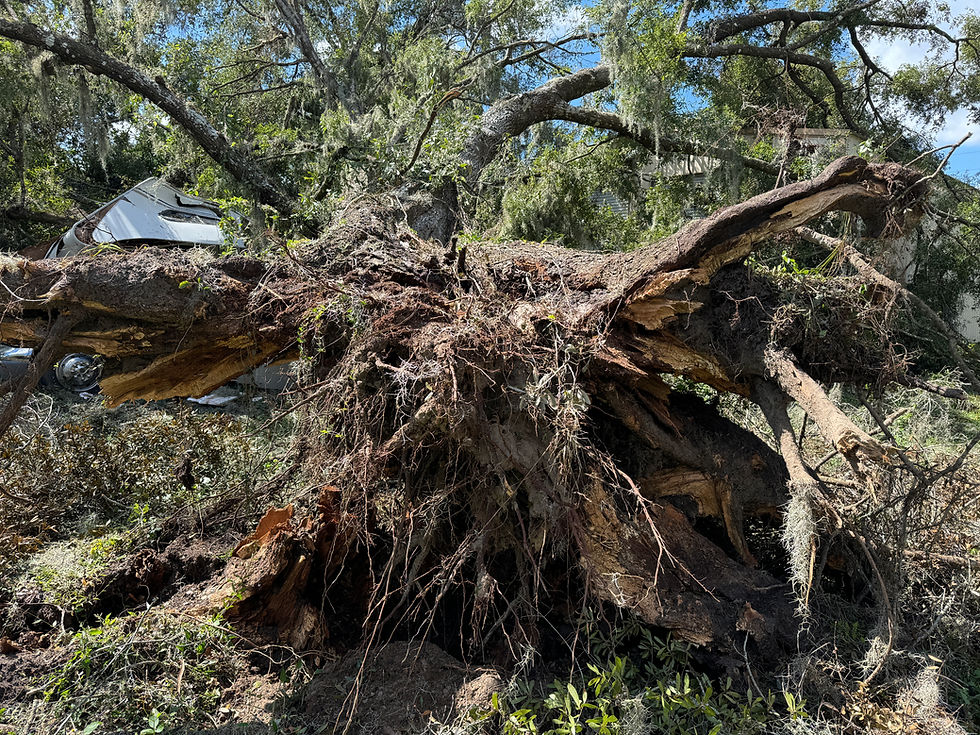
Shallow-rooted trees getting completely uprooted
Rotten or diseased trees collapsing unexpectedly
Branches scraping or falling onto your roof, gutters, or power lines
Root systems pushing into foundations or shifting during oversaturated conditions
These issues are more common than you think. At All Your Way Tree Service, we’ve responded to dozens of emergency calls each storm season where trees caused preventable damage.
Step 1: Know Your Tree Types (and Their Behaviors)
Florida’s warm, wet climate is a tree-growing paradise, and while that’s great for shade and curb appeal, it also means some species grow faster—and break faster.
Watch out for these common culprits:
Laurel Oaks – Fast-growing and brittle. Prone to limb breakage.
Australian Pines – Shallow roots + fast growth = high uproot risk.
Mimosa Trees – Invasive, weak-wooded, and a cleanup nightmare.
Camphor Trees – Messy, invasive root systems and prone to storm damage.
Queen Palms – Their fronds turn into projectiles during storms.
Not sure what you’re working with? Our Certified Arborist Services in Valrico can help identify the trees on your property and flag high-risk species before they become a problem.
Step 2: Perform a Tree Health Check (Before the Winds Pick Up)
Trees may look fine at first glance, but a trained eye can spot the warning signs of danger. Here's what to look for:
Red flags you can inspect yourself:
Dead or hanging limbs
Cracks in the trunk or large branches
Fungi or mushrooms growing at the base
Excess leaning or poor anchoring
Trees too close to structures, fences, or power lines
Soil lifting or roots popping up on one side
These can all indicate a tree is more vulnerable in storms. Don’t wait until a hurricane is in the forecast—schedule an inspection early.
Pro tip: You can find useful tree inspection tips from the University of Florida IFAS Extension, a reliable free resource.
Step 3: Schedule Pre-Storm Tree Trimming
This is one of the most effective things you can do to storm-proof your landscape. Well-maintained trees can better handle heavy wind, while overgrown or unbalanced canopies are more likely to snap or fall.
Regular trimming helps:
Reduce canopy density so wind passes through
Eliminate dead or diseased branches
Improve weight distribution
Keep branches away from your roof, driveway, or power lines
👉 Book our Tree Trimming Services in Valrico to get your trees storm-ready.
Important: Don’t try major trimming or removals yourself—it can be dangerous. Always hire licensed professionals.
Step 4: Check Root Systems and Soil Conditions
Storms aren’t just a wind problem. The massive amount of rain that comes with them can cause the ground to soften and shift—especially around shallow-rooted trees.
Signs of trouble:
Trees leaning more after heavy rain
Water pooling near the base of trees
Nearby pavement cracking or lifting
Roots visibly surfacing or growing toward the foundation
Some trees may need root pruning or even removal if they’re showing signs of instability. Root barriers may also help redirect growth away from structures or water lines.
Step 5: Remove Hazardous or Unwanted Trees
If a tree is too close to your house, diseased, or already dropping limbs, removal might be the safest option. We know—it’s tough to say goodbye to a tree. But when the risk of it falling through your roof outweighs its beauty, safety has to come first.
Our team at All Your Way Tree Service can safely remove:
Dead or dying trees
Trees interfering with power lines or plumbing
Trees with invasive roots
Storm-damaged or split trunks
Step 6: Maintain Proper Tree Clearance for Insurance Coverage
Here’s something most homeowners don’t realize: insurance companies may deny storm damage claims if a fallen tree shows signs of neglect or was encroaching on your home.
Adjusters often look for:
Overhanging limbs that weren’t trimmed
Signs of rot or decay
Unmanaged trees too close to structures
Lack of maintenance documentation
Don’t get caught off guard. Keep a record of:
Arborist inspections
Trimming and removal appointments
Photos of trees before and after services
That little folder of paperwork could be the difference between a full payout and a denied claim.
Step 7: Be Neighborly—Handle Shared Tree Risks
Storm damage doesn’t respect property lines. If your tree falls on a neighbor’s home (or vice versa), you could be caught in a nasty dispute—especially if the tree was clearly neglected.
Here’s what you can do:
Trim back limbs hanging over fences or driveways
Remove trees straddling boundaries that are hazardous
Communicate and coordinate with neighbors for shared maintenance
Offer to split the cost of services when appropriate
Being proactive now could save you from legal headaches later.
Step 8: Post-Storm Tree Safety 101
Even with the best prep, storms can still cause damage. If you wake up to a fallen tree or limbs scattered across the yard:
Don’t touch hanging branches or leaning trees—they may still fall.
Stay clear of any trees entangled in power lines.
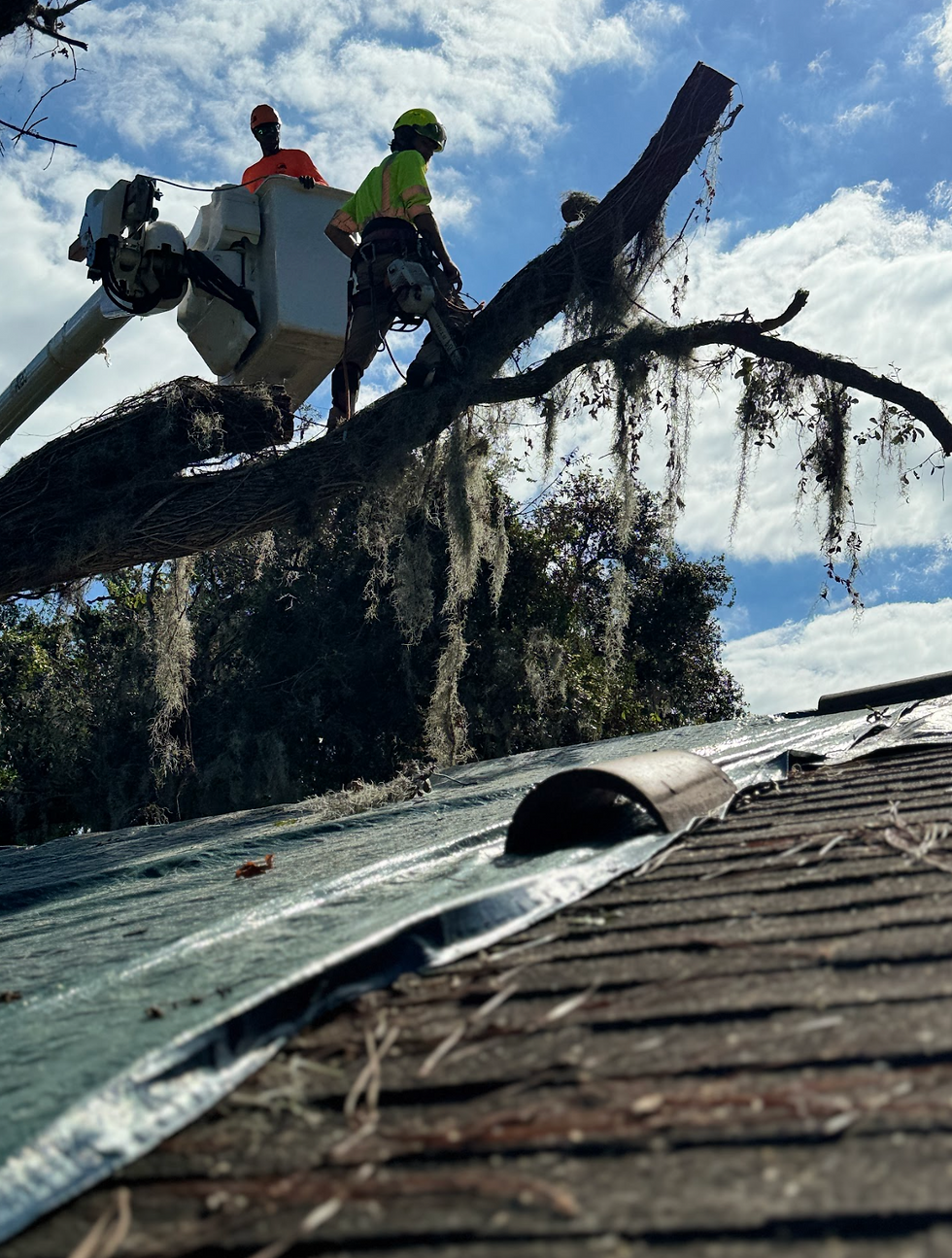
Call a certified tree professional before attempting any cleanup.
Our emergency crews are available after storms to safely assess, trim, or remove hazardous trees without risking your safety.
Final Thoughts: A Little Prep Can Save You Thousands
We get it—tree maintenance might not be the first thing on your hurricane prep list. But when you’ve seen what we’ve seen? You start to look at every branch a little differently.
At All Your Way Tree Service, we believe your landscape should be a source of comfort—not concern—when the wind picks up. Whether you're in Valrico, Seffner, Plant City, or nearby areas, we're here to help you get ready before the next big one hits.
📞 Book a storm season tree inspection today, and let’s make sure your yard is one less thing to worry about when the sky turns dark.

Comments