


How Trees Affect Property Value in Florida Homes

Trees can quietly do a lot for a home.
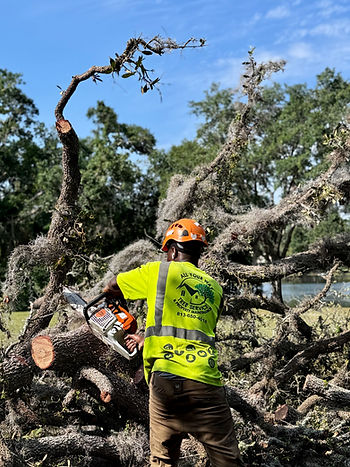
They give shade when the Florida sun is doing its usual thing. They make a yard feel established. They soften the look of the house from the street. They give buyers that nice first impression before they even step inside.
But trees can also do the opposite.
A dead tree near the fence can make a property feel neglected. Branches rubbing the roof can make buyers think about future repairs. Roots lifting the driveway can make someone wonder what else has not been maintained. A large tree leaning toward the home can turn a showing into a conversation about risk instead of value.
So yes, trees can affect property value in Florida homes.
The real question is whether they are helping the home feel more valuable, or quietly making buyers, inspectors, and insurance companies nervous.
If you live in Seffner or nearby areas like Brandon, Valrico, Plant City, Riverview, Dover, Thonotosassa, or Mango, this matters even more. Florida trees grow quickly, storms are part of life, and buyers often pay close attention to anything that could become a roof, insurance, or safety issue later.
Healthy trees can improve curb appeal
Let’s start with the good side.
A healthy, well placed tree can make a property look better right away.
It can frame the house, shade the yard, and make the landscape feel mature instead of plain. For buyers, that first impression matters. Before they notice the flooring, cabinets, or paint color, they see the outside of the home.
UF IFAS says trees can increase property value, and their benefits include shade, beauty, energy savings, and improved curb appeal. UF IFAS also notes that tree canopy can add meaningful value to a home when trees are healthy and well placed.
That is the key phrase.
Healthy and well placed.
A beautiful oak with strong structure is a selling point. A dying tree leaning over the garage is not.
Trees can make a home feel more comfortable
In Florida, shade has real value.
A shaded yard feels more usable. A shaded driveway can keep cars cooler. A shaded patio can feel more inviting. Even the front of the house can look more welcoming when the landscaping softens the heat and glare.
The U.S. Forest Service says strategically placed trees can reduce annual air conditioning costs significantly, and large front yard trees can add to sale price.
Now, that does not mean every tree near a home is automatically valuable. Placement still matters. A tree shading the right area can help. A tree growing too close to the roof can create problems.
Buyers notice maintenance before they understand tree health
Most buyers are not arborists.
They may not know the name of the tree. They may not know whether a pruning cut was done correctly. They may not understand root flare, canopy balance, or trunk decay.
But they do notice when something looks wrong.
They notice if branches are touching the roof.
They notice if the driveway is cracked near a tree.
They notice if dead limbs are hanging over the yard.
They notice if the front yard feels dark, crowded, or neglected.
And once buyers notice one outdoor issue, they often start wondering what else has been skipped.
That is why tree maintenance can influence buyer confidence.
A clean, cared for yard sends a message.
This home has been looked after.
An overgrown or risky tree sends a different message.
This might be expensive later.
Trees can help value when they are in the right place
The best trees for property value usually have a few things in common.
They are healthy.
They are not too close to the house.
They provide shade without damaging the roof.
They have good structure.
They are not blocking important views or access.
They are not lifting concrete or interfering with plumbing.
These are the trees that buyers like because they feel like an upgrade, not a problem.
They make the property feel comfortable, private, and established.
The Arbor Day Foundation points to research showing that trees can increase property values and that street trees have been linked to higher home sale prices and faster sales in some markets.
Again, the practical takeaway for Seffner homeowners is not “all trees add value.”
It is this:
Good trees add value. Problem trees create doubt.
Trees can hurt value when they create risk
Now let’s talk about the other side.
A tree can lower perceived value when it creates obvious concern.
That concern may come from:
Dead branches
A visible lean
Large limbs over the roof
Roots lifting hardscape
Cracks or cavities in the trunk
Fungal growth near the base
Repeated limb drops
Poor pruning or topping
A tree growing too close to the house
Storm damage that was never cleaned up
Buyers may not know exactly what the tree needs, but they know it looks like a future expense.
That can lead to lower offers, repair requests, credits, or hesitation.
Roofline branches can create instant buyer concern
One of the fastest ways for a tree to make buyers nervous is when branches hang over the roof.
Even if the tree is healthy, branches too close to the roof can raise concerns about:
Shingle wear
Gutter clogs
Roof debris
Moisture buildup
Storm breakage
Future maintenance costs
UF IFAS hurricane preparation guidance recommends removing or shortening low branches close to the roof and having trees evaluated regularly by a professional.
For sellers, this is one of the easiest areas to address before listing. If trimming can create safe clearance and improve the look of the home, it may be worth doing before photos, showings, or inspection.
Tree roots can affect value too
Roots are trickier because buyers may not see the full issue right away.
But they do notice the signs.
A lifted driveway.
Uneven pavers.
Cracked walkways.
Fence movement.
Landscape areas that look disturbed.
When buyers see those things near a large tree, they start thinking about cost.
Could this affect the foundation?
Could this affect plumbing?
Will the concrete need repair?
Will the tree need to come out later?
Even when roots are not the only cause of damage, they can become part of the buyer’s concern.
That is why root issues should be evaluated early, especially before selling or making exterior improvements.
Trees can affect insurance confidence
In Florida, buyers think about insurance.
They may not say it out loud during a showing, but it is there.
If a tree is visibly hazardous, hanging over the roof, or close to the structure, it can make buyers wonder whether the home will be harder to insure or whether the tree might become a claim later.
Insurance concerns are not always about the tree itself. They are about whether the property looks maintained and whether obvious risks have been handled.
If a buyer sees a dead tree near the home, they may wonder why the seller did not remove it.
If a buyer sees a huge limb over the roof, they may wonder whether they will have to deal with it after closing.
Trees can influence inspection and negotiation
A standard home inspector may not perform a full tree risk assessment, but obvious tree concerns can still show up during inspection.
That might include:
Branches touching the roof
Tree limbs near utility lines
Roots lifting walkways
Dead trees or large dead limbs
Drainage problems caused by overgrowth or debris
Trees too close to the structure
Once a tree concern appears in an inspection report, it becomes part of the negotiation.
The buyer may ask for trimming.
They may ask for removal.
They may ask for a credit.
They may ask for an arborist evaluation.
That is why handling obvious tree problems before listing can make the sale smoother.
Mature trees are valuable when they are maintained
Mature trees can be a big asset.
They are not easy to replace. A newly planted tree cannot give the same shade or curb appeal right away. That is why many buyers appreciate established trees.
But maturity also means more responsibility.
A large tree needs proper maintenance, especially if it is near a home, driveway, patio, or property line.
The USDA Forest Service research summary on tree cover and property values shows tree cover can influence home values, although the effects vary by location, tree density, and market conditions.
That detail matters because it keeps the conversation realistic.
Trees are not automatically good or bad for value.
The condition, location, and maintenance are what make the difference.
Bad pruning can hurt the look and health of a tree
A poorly pruned tree can hurt curb appeal fast.
Topped trees, stub cuts, uneven canopies, and overcut branches can make a property look neglected or poorly maintained.
Even worse, bad pruning can create weak regrowth and long term structural issues.
Buyers may not know the term “tree topping,” but they can usually tell when a tree looks butchered.
That can make the property feel less polished.
A tree can add privacy, but it should not hide the home
Privacy is one of the big benefits of trees.
A good tree can screen a backyard, soften a fence line, and make the property feel more peaceful.
But too much overgrowth can also hide the home in a bad way.
If buyers cannot see the front of the house clearly, if the entry feels dark, or if limbs make the yard feel closed in, trimming may help.
The goal is balance.
Enough tree cover to feel private and shaded.
Enough clearance to make the home feel open, clean, and cared for.
What Seffner homeowners should check before selling
If you are preparing to sell, walk the property like a buyer.
Ask yourself:
Does this tree make the home look better?
Are any branches touching the roof?
Are there dead limbs over driveways, walkways, or patios?
Is the canopy too dense or dark?
Are roots lifting hardscape?
Does the tree lean toward the house?
Would a buyer worry about this tree during inspection?
Would I feel comfortable inheriting this tree if I were buying the home?
Those questions can tell you quickly whether the tree is helping or hurting the sale.
When trimming can protect value
Trimming may be the right move when the tree is healthy but needs cleanup.
Tree trimming can help:
Improve curb appeal
Create roof clearance
Remove deadwood
Open up the front of the home
Reduce storm risk
Make the yard feel more maintained
Improve visibility for listing photos
For many sellers, trimming is a smart middle ground. It keeps the value of the tree while removing the concerns buyers might notice.
When removal can protect value
Removal may protect value when the tree creates more concern than benefit.
Removal may make sense if the tree is:
Dead
Hazardous
Leaning toward the home
Damaging hardscape
Too close to the structure
Repeatedly dropping large limbs
Creating inspection or insurance concerns
Making the property feel neglected
A removed hazard can sometimes make the property feel cleaner, safer, and easier to buy.
A simple value test for homeowners
Here is an easy way to think about it.
A tree is likely helping value if it:
Looks healthy
Adds shade
Improves curb appeal
Is not too close to the house
Does not damage anything
Feels like a feature buyers would appreciate
A tree may be hurting value if it:
Looks dead or neglected
Makes the yard feel unsafe
Creates roof concerns
Has visible root damage
Blocks the house too much
Looks expensive to fix
Makes buyers ask questions you do not want to answer
Final thoughts
Trees can absolutely affect property value in Florida homes.
The right trees can make a home feel shaded, established, beautiful, and more inviting. They can improve curb appeal and help the property stand out.
But neglected, hazardous, poorly placed, or overgrown trees can do the opposite.
They can make buyers nervous.
They can show up during inspections.
They can create insurance concerns.
They can turn into negotiation points.
For Seffner homeowners, the goal is not to remove every tree.
The goal is to make sure the trees on the property feel like assets, not problems.
Call to action
If you are wondering whether the trees on your property are helping or hurting your home’s value, start with a professional look. Trimming, removal, or a certified arborist assessment can help you protect curb appeal, buyer confidence, and long term property value.thing to worry about when the weather turns.


Comments