


Why Tree Work Access Matters Before Storm Season in Seffner

Tree problems are not always about the tree alone.
Sometimes the bigger issue is access.
A tree may need trimming, but the gate is too narrow. A dead limb may hang over the
roof, but the side yard is packed with storage. A leaning tree may need removal, but the
ground is too soft after days of rain. A storm damaged branch may be reachable in dry
weather, but not once the yard is soaked and blocked with debris.

This is why tree work access matters before storm season.
In Seffner and nearby areas like Brandon, Valrico, Plant City, Riverview, Dover, Thonotosassa, Mango, and Plant City, homeowners often think about tree trimming only when the weather starts looking serious. But by then, access can become harder, schedules can fill up, and small obstacles around the property can slow everything
down.
Professional Tree Trimming and Pruning, Tree Removal, and Certified Arborist
Services are easier to plan when crews can safely reach the tree before storm season
creates extra pressure.
Access affects how safely the work can be done
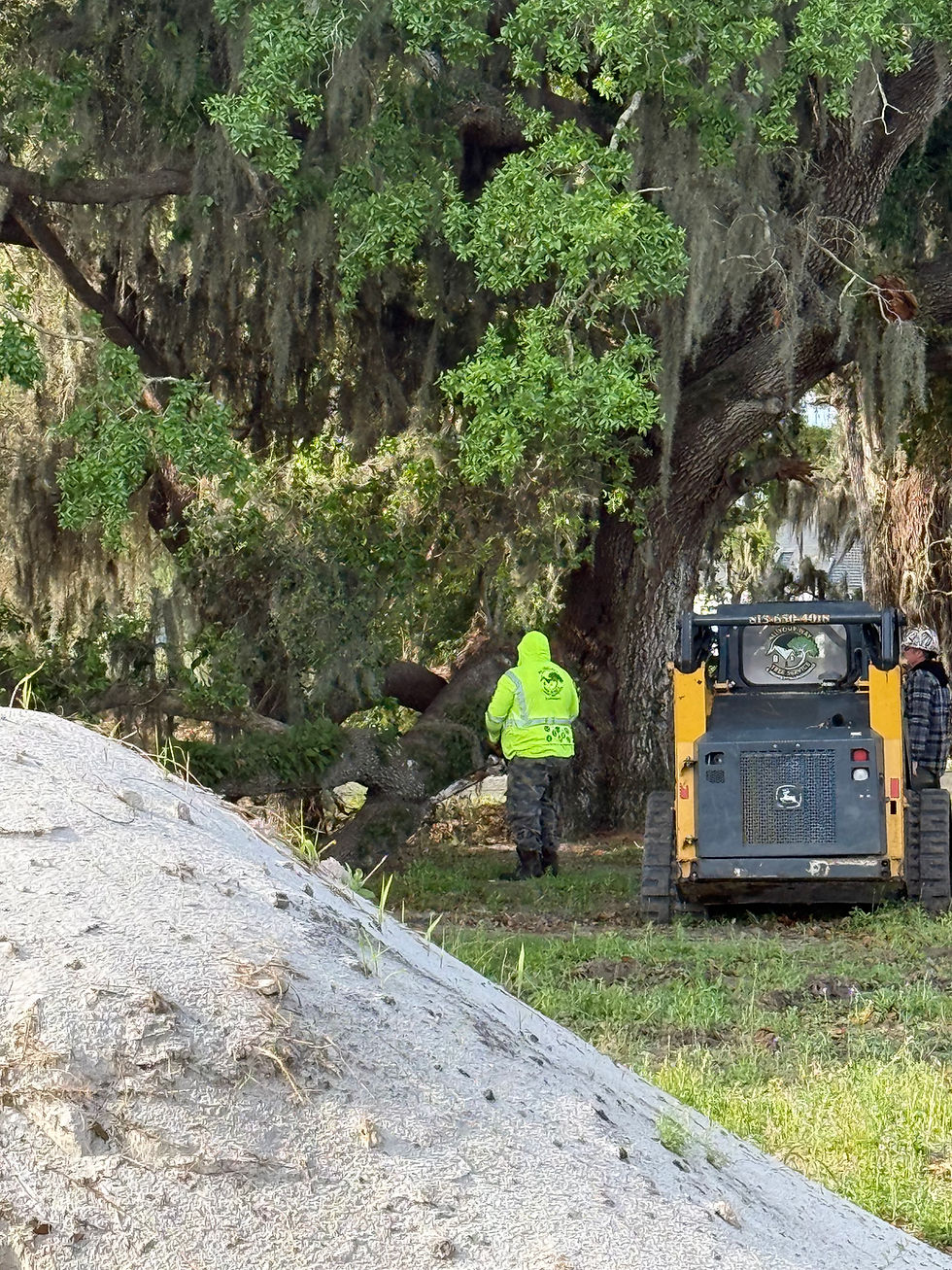
Tree work takes space.
Crews may need room to walk, carry tools, set up equipment, lower branches, move
debris, and keep a safe work area around the tree.
When access is blocked, the job can become more difficult than it needs to be.
Common access issues include:
Locked gates
Narrow side yards
Stored items near the tree
Patio furniture under branches
Vehicles parked too close
Fences close to the trunk
Pool cages near the canopy
Sheds or garages under limbs
Overgrown brush around the base
Soft ground after heavy rain
The tree may look simple from the street, but the space around it can change the whole
job.
Tight gates and narrow yards can limit equipment
Many Seffner homes have fenced backyards, side gates, sheds, pool areas, and outdoor
living spaces.
These are normal parts of a property, but they can affect tree service access.
If a large tree is in the backyard and the only entrance is a narrow side gate, crews may
have fewer options for moving equipment or removing debris. That does not always
stop the work, but it can make planning more important.
Before storm season, check:
How wide the gate opening is
Whether the gate opens fully
Whether trash cans or storage items block the path
Whether fences are weak or damaged
Whether outdoor furniture needs to be moved
Whether low branches block the access path
Whether the ground stays wet near the gate
Whether the tree is behind a pool cage or screen area
If the access path is already tight, scheduling tree care early can make the job easier
before storms add more complications.
Overgrowth can hide the real access problem
Brush, vines, volunteer trees, and tall growth can make a property look like it only needs
cleanup.
But overgrowth can also hide the actual tree issue and make access harder for the crew.
Overgrowth may block:
The base of the tree
The path to the trunk
Fence lines
Drainage areas
Root flare visibility
Fallen limbs
Old storm damage
Equipment paths
Safe walking space
The area where debris needs to be removed
If vines and brush are surrounding the tree, Land Clearing may be needed before the
full condition of the tree can be seen.
Soft ground can make tree work harder after heavy
rain
Florida rain can change a yard quickly.
A dry access path can become soft after a few storms. Low areas may hold water. Grass
can become muddy. Soil around the tree may loosen. Equipment movement may
become more limited.
Soft ground matters because crews need to protect the property while also working
safely.
Watch for areas where:
Water pools near the tree
Soil stays wet for days
Roots are exposed after rain
Vehicles leave ruts easily
The access path becomes slippery
Drainage pushes water toward the tree
The tree leans more after storms
Debris collects in wet areas
The Florida Friendly Landscaping Program is a helpful public resource for thinking about Florida yards, water movement, and landscape planning.
Branches over structures need room to be handled
correctly
Tree limbs over roofs, sheds, garages, pool cages, patios, and fences need careful
handling.
A branch cannot always be allowed to simply fall.
It may need to be cut in sections, lowered carefully, or handled from a safer angle. That
takes planning and space.
Access becomes even more important when branches hang over:
Rooflines
Pool cages
Fences
Garages
Sheds
Cars
Outdoor kitchens
Patios
Walkways
Neighboring property
If branches are low, heavy, dead, or cracked, Tree Trimming and Pruning should be
scheduled before a storm turns the work into an emergency.
Waiting until after the storm can limit options
After a storm, everything gets harder.
There may be broken limbs, blocked driveways, damaged fences, wet ground, scattered
debris, and more urgent calls from other property owners.
When access is already difficult before the storm, it can become much worse after.
After storm damage, crews may need to work around:
Fallen limbs
Downed fences
Blocked gates
Vehicles trapped in driveways
Wet yards
Damaged pool screens
Broken branches still hanging overhead
Trees leaning toward structures
Debris covering walkways
Limited parking or staging space
If a tree is already showing warning signs, waiting until the weather causes damage can
make the work more stressful.
The UF IFAS Preparing Trees For Hurricanes resource is a strong public link for Florida
tree preparation.
If storm damage creates a direct hazard, Emergency Tree Service may be needed.
Power line areas need extra caution
Access matters even more when trees are near power line areas.
Branches near utility lines should not be handled casually by homeowners. The access
path, tree position, branch height, and nearby lines all matter.
Do not try to cut branches near power lines yourself.
Do not pull branches from wires.
Do not use ladders near overhead lines.
Do not assume a line is safe after a storm.
Do not use long tools around utility lines.
For Florida homeowners, FPL Trees and Power Line Safety is a helpful public resource.
Commercial properties need access planning too
Tree work access is not only a residential issue.
Commercial properties, churches, schools, community spaces, rental properties, and
HOAs also need clear access for tree maintenance.
On larger properties, blocked access can affect parking lots, signs, entrances, sidewalks,
service roads, playgrounds, and shared outdoor spaces.
Property managers should check:
Gate access
Parking lot clearance
Entrance areas
Sidewalk routes
Dumpsters and service areas
Lighting and sign visibility
Areas where equipment can safely stage
Trees near tenant or visitor spaces
Professional Commercial Tree Services can help plan routine maintenance before
urgent problems affect customers, tenants, staff, or visitors.
Access can affect cleanup
The job is not finished once the cutting is done.
Branches, logs, leaves, vines, and debris still need to be moved out safely. If the path is
blocked or narrow, cleanup can take longer.
Cleanup is harder when:
Logs are too large to move easily
Branches are behind fences
Debris is trapped near sheds
The yard is wet
The path is cluttered
Overgrowth blocks movement
Pool cages or patios limit space
Vehicles block the driveway
Planning access before the job helps the crew work more efficiently and helps the
property return to normal sooner.
Check permits before large removals or clearing
Access planning should also include paperwork when needed.
If the job involves removing larger trees, clearing multiple trees, or preparing land for
improvement, local tree rules may need to be reviewed before the work begins.
The Hillsborough County Tree Resources page is a useful public resource for property
owners who want to review local tree information before removal or land clearing.
Simple access checklist before tree service
Before scheduling tree work, check:
Can the crew reach the tree?
Is the gate unlocked and wide enough?
Are vehicles moved away from the work area?
Is patio furniture out of the way?
Are pets secured indoors?
Are storage items blocking the side yard?
Is brush hiding the trunk or roots?
Is the ground soft or flooded?
Are branches over structures?
Are power line areas involved?
Is there enough room for cleanup?
Are permits or property approvals needed?
A few simple steps before the appointment can make the work smoother.
Final thoughts
Tree work access matters more than many homeowners realize.
A tree may need trimming or removal, but the space around the tree affects how safely
and smoothly the job can be done. Gates, fences, pool cages, patios, sheds, vehicles,
soft ground, overgrowth, and storm debris can all change the plan.
In Seffner, it is better to think about access before storm season, not after the first
major weather event.
Clear the path.
Move what can be moved.
Check wet areas.
Look for overgrowth.
Pay attention to branches over structures.
Do not wait until access is blocked by storm damage.
Planning early gives the crew better options and gives the property a better chance of
being handled safely.
Call to action
If trees on your Seffner property may need trimming, removal, emergency service, land
clearing, or arborist evaluation before storm season, schedule professional tree service
early. Good access can make the work safer, cleaner, and easier before rain, wind, and
debris make the job more complicated.


Comments